The Sparrow's Silence
≈30 million sparrows lost in fifty years
Read the campaign →Living Record · Palestine
The Destruction of Palestine's Olive Trees.
The olive is the backbone of Palestinian life — 14% of the economy, more than 100,000 families, the symbol of sumud. And it is being systematically destroyed. Gaza has lost roughly 90% of its olive trees since October 2023. The West Bank has lost a million since 1967. This is the structure of genocide and annihilation.

The nervous system is a biological frontier.
We are not a wellness company. We do not sell calm. We do not provide escapes. We facilitate the mechanical recovery of the human organism through ancient botanical pressure and modern molecular rigor.
Statement of Intent
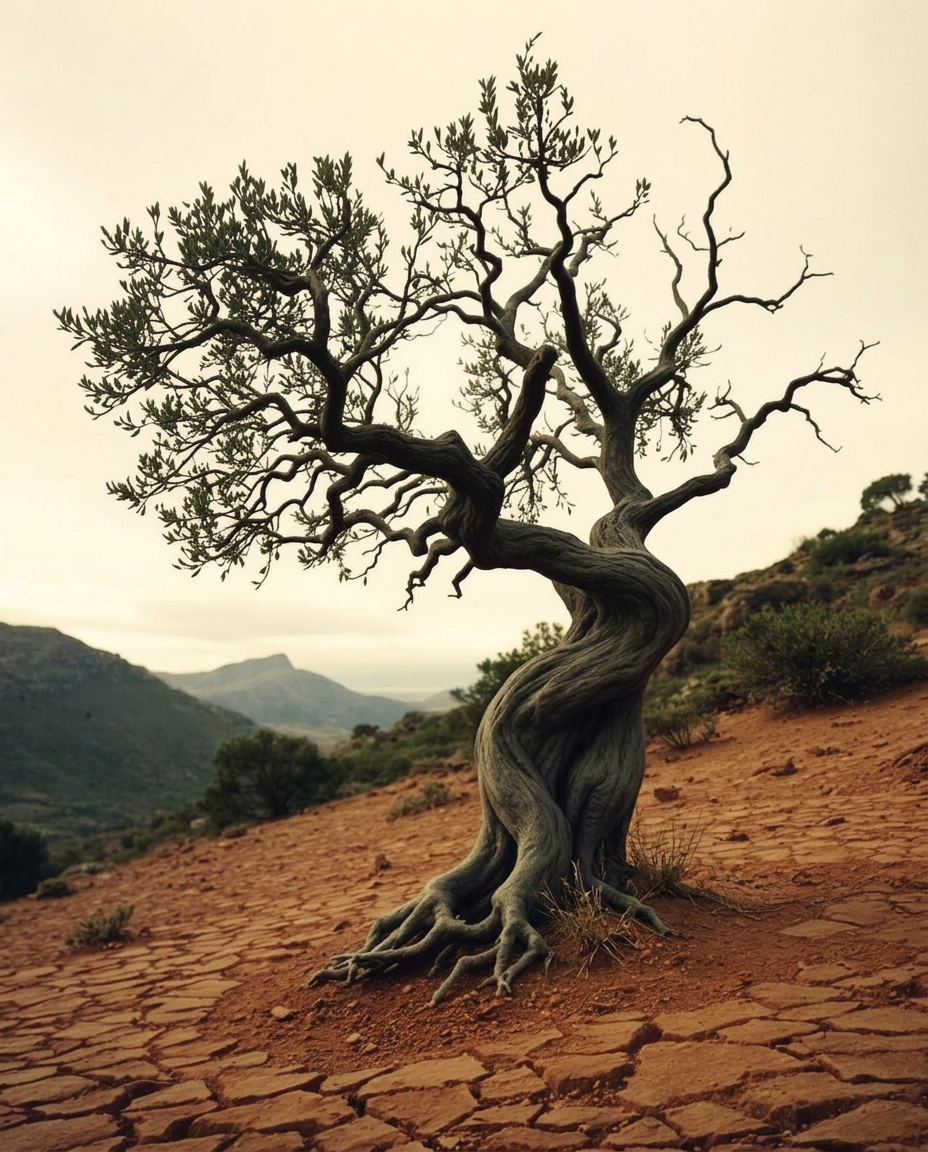
We are working class. When we think of olives, olive farmers, and the land, we think of hard, unforgiving conditions and work. It speaks to us of millennia of resistance and toil.
Yet the gold liquid gives life through stress. The harder the olive tree strains to live, the more polyphenols its fruit carries — and the more the oil gives back to the body that receives it.
That is why we intend to make olive oil accessible — first in our own community, and then nationally and internationally.
Para la gente.
Foundational Pillars
Millennial Cultivation
Our oil is pressed from trees that have survived five empires. This is not agriculture; it is the extraction of endurance.
Peer-Reviewed Science
Biotechnic intervention verified by double-blind clinical trials. We map the polyphenolic path to vagus nerve regulation.
Lived Experience
The subjective truth of the body. We prioritize the felt sense of recovery over the quantified metrics of a device.
The Re-terroiring
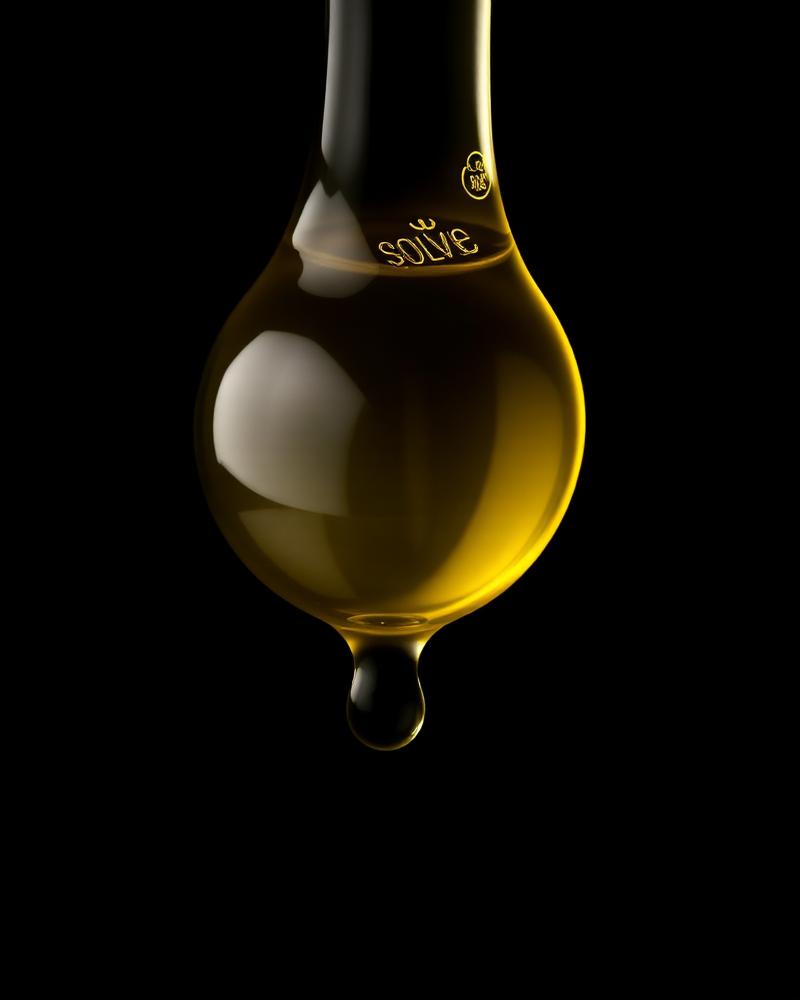
To re-terroir is to reintegrate the human organism with its specific ancestral environment. Modernity is an ecological mismatch for the nervous system[1]. We provide the tools to reclaim the native rhythm of the cells.
Through mechanical extraction and precise dosing, we bypass the noise of the wellness market to reach the sovereign core of human biology.
The Gut Microbiota
You do not digest polyphenols. Your bacteria do — and then they answer back.
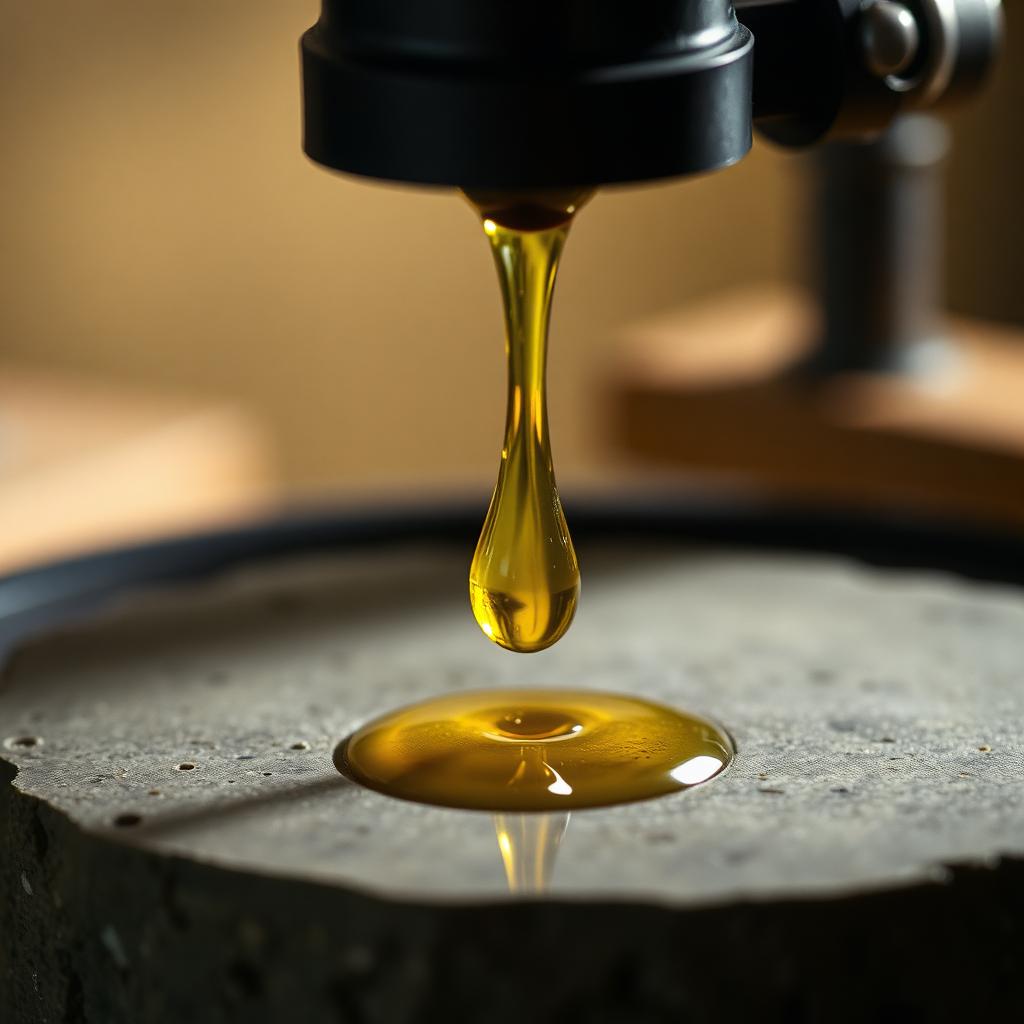
Only a small fraction of the polyphenols in a high-count oil are absorbed in the small intestine. The rest carries on to the colon, where roughly a hundred trillion microbes break them into smaller phenolic acids — several of them more active in the body than the molecule that arrived. The dose on the label is the beginning of the conversation, not the end of it.
What those microbes make in return is the point. Fed on polyphenols and fermented acids, they produce short-chain fatty acids — acetate, propionate, butyrate. Butyrate fuels the cells of the gut wall and keeps the barrier tight. Where the barrier holds, bacterial endotoxin stays out of the blood and the body's background inflammatory tone drops. Where it does not, the brain reads the leak as threat.
Those same short-chain fatty acids stimulate vagal afferents and shape the behaviour of microglia — the brain's resident immune cells. This is why we call the gut the second terroir: a living soil, cultivated daily by what you put into it.
Journeys Within the Gut Microbiome
Why do you feel a warm glow inside?
You sit still. You breathe. You let your attention drop into your body — and a warmth arrives. Not a thought. Not a memory. A presence. It is not imagination. It is communication: the gut speaking to the brain, the mycelium acknowledging the thread.
The Sparrow's Silence
Britain has lost around 30 million house sparrows in fifty years. Most people have not noticed.
Hedgerows gone, insects gone, nesting ground paved over — and a generation growing up believing the thinned-out version is normal. The same architecture of extraction, the same loss of habitat and food. The mycelium does not recognise borders. Neither does the sparrow.
Spore Theory
The Spore Theory of Evolution and Resistance — in seven movements.
Resistance has two modes: dormant and active. Cultures, like spores, persist through hostile conditions in latency — conserving practice, memory, and capacity — then fruit when the substrate allows. A working theory of cultural and behavioural evolution.
A Radical Guide To Polyphenols
Polyphenols are not a buzzword. They are the chemical response a plant builds to survive. We press that response out of the olive and put it to work in the body.
What they are
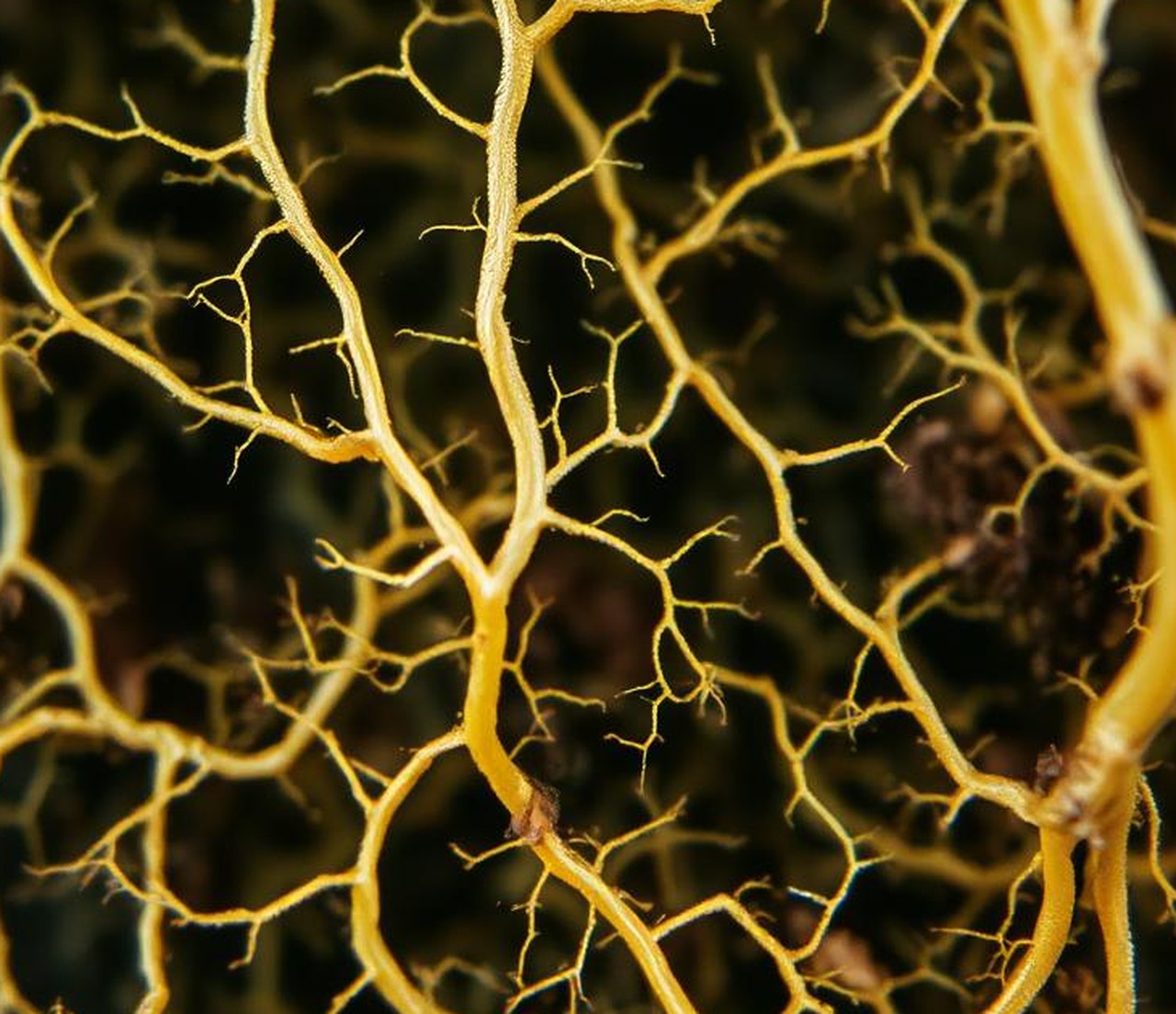
Polyphenols are a family of micronutrients plants produce under stress — drought, heat, UV, pressure. The harder the olive tree strains to live, the more polyphenols its fruit carries. In the human body they function as antioxidants and anti-inflammatories, but the interesting part is where they act: directly on the vagus nerve and the gut–brain axis.
The count that matters
A bottle of olive oil is measured in milligrams of polyphenols per kilogram (mg/kg). Supermarket oil often sits below 100 mg/kg. The European Food Safety Authority permits a health claim only above 250 mg/kg. Our oils run from 714 to 1,504 mg/kg — lab-verified, not marketing rounded. The higher the count, the more of the active compound reaches the nervous system per drop.
The Compounds
Oleocanthal
The compound that makes quality oil sting the throat. Oleocanthal activates TRPV1 receptors on the vagus nerve, suppressing systemic inflammation through the vagal–adrenal axis. It is ibuprofen's distant, bitter cousin — plant-made.
Oleacein
Closely related to oleocanthal and a potent protector of the cardiovascular system. Oleacein scavenges free radicals and supports the arterial wall, linking the drop that reaches the vagus nerve to the one that reaches the heart.
Hydroxytyrosol
Among the most powerful antioxidants in the olive. Hydroxytyrosol is absorbed rapidly and is the EFSA-approved basis of the olive oil polyphenol health claim — protecting blood lipids from oxidative damage.
Tyrosol
Hydroxytyrosol's quieter partner. Tyrosol accumulates in tissues and extends antioxidant protection long after ingestion, supporting cardiometabolic markers — blood pressure, insulin, lipid profile.
Oleuropein
The parent compound — the source from which oleocanthal, oleacein, and hydroxytyrosol are made as the olive ripens and the oil is pressed. Oleuropein is the tree's master compound, carried into the bottle.
Sovereign Biology
“You are not a project to be perfected. You are a root system to be reconnected. A fermentation to be tended. A nervous system to be re-terroired.”
The Pop-Up Table
Came by our table? Write and tell us how you got on.
The good, the strange, the questions — we want it all. Every message is a field note, and the field notes are how we learn what actually works.
The Spore Report
Every week, we send a Spore Report — science, stories, and signals from the field of nervous system re-terroiring.
No fluff. No wellness woo. Just the work. Read No. 01 — Spore Recognition Theory.